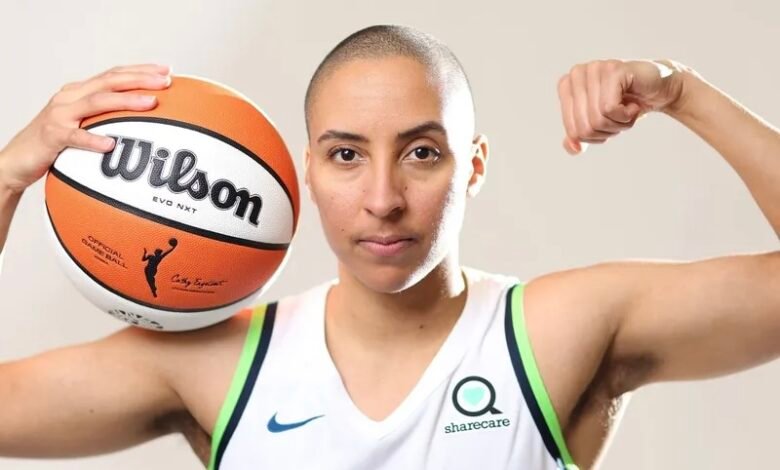
The WNBA has long served as an epicenter for LGBTQ+ visibility in professional sports. With over 60 openly gay players and coaches, robust Pride initiatives, and non-binary players like Layshia Clarendon (assigned female at birth), the league has pushed for inclusion. However, public debate around gender identity and eligibility rules has intensified.
Eligibility Framework and League Policy
The WNBA Collective Bargaining Agreement (CBA) explicitly dictates that “only players who are women are eligible to play”. Historically, the league has not maintained detailed public biological criteria or testosterone thresholds, nor has a transgender woman (assigned male at birth) ever played in the WNBA.
Player Perspectives and Public Debates
The ongoing conversation around female sports categories reached a high point following public remarks from players regarding biological sex and competition standards. Indiana Fever guard Sophie Cunningham publicly voiced support for preserving women’s sports categories strictly based on biological sex. The comments sparked widespread discourse, prompting both supportive rallies and counter-protests across various venues.
In response, prominent players like New York Liberty forward Breanna Stewart emphasized maintaining an inclusive environment while honoring fans’ rights to express diverse viewpoints.
Former Male Athletes and Eligibility Rulings
The debate gained further traction when former NBA players Enes Kanter Freedom and Royce White declared their intention to enter the WNBA draft, publicly identifying as women to challenge the league’s policies.
- League Determination: WNBA sources confirmed that neither player is eligible to participate or enter the draft.
- League & Union Statements: WNBA officials and the Women’s National Basketball Players Association (WNBPA) condemned political stunts and bad-faith attacks. The union issued a statement affirming that its players and league policies will not be leveraged as “political pawns”.
As competing leagues adopt stricter criteria aligned with International Olympic Committee (IOC) guidelines—such as biological sex verification tests—the WNBA continues internal stakeholder discussions to address online discourse, safeguard athlete well-being, and maintain clear competitive guidelines.