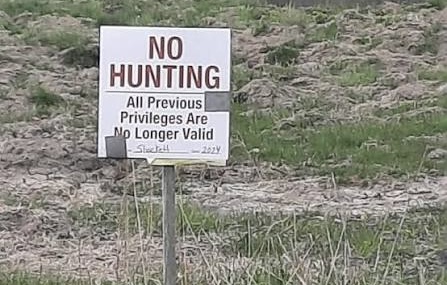
SALEM, Ore. — A controversial proposed ballot measure known as Initiative Petition 28, or the “PEACE Act,” is moving closer to appearing before Oregon voters in November 2026 after supporters submitted more than 126,000 signatures to the Oregon Secretary of State’s office.
State officials must verify at least 117,173 valid signatures for the measure to qualify for the statewide ballot. If approved by voters, the initiative would significantly reshape Oregon’s animal welfare laws by removing legal exemptions that currently protect hunting, fishing, trapping, and livestock farming from prosecution under the state’s animal abuse statutes.
Supporters of the measure argue that animals should receive greater legal protections and that existing exemptions create inconsistencies in Oregon’s treatment of animal cruelty. They contend the proposal would establish a more uniform legal standard regarding the treatment of animals.
The scope of the measure extends well beyond traditional hunting restrictions. According to the proposal, activities that could become illegal include sport and commercial fishing, legal trapping operations, raising animals for meat and dairy production, and certain forms of scientific research involving animals. Some opponents have also raised concerns that routine pest control practices could be affected.
The proposal has generated widespread debate across Oregon and prompted opposition from a broad coalition of stakeholders, including hunters, farmers, ranchers, wildlife biologists, and elected officials from both major political parties.
Critics argue that the measure would have far-reaching economic consequences for the state. They warn that banning livestock production, commercial fishing, and related industries could eliminate tens of thousands of jobs and increase food costs for Oregon consumers. Agricultural groups have also expressed concerns about potential impacts on food production and rural communities that rely heavily on farming and ranching.
Wildlife management experts opposing the initiative have questioned how the state would manage animal populations without hunting and trapping, which are currently used as tools for conservation and population control.
As signature verification continues, both supporters and opponents are preparing for what is expected to be a closely watched and highly contested campaign should the measure qualify for the November 2026 ballot.